
There is a lot to love about big motorsport. The noise, the speed, the famous names and the spectacular machinery all have their place. But for Liz and Izzy at iJAG Photography, some of the most rewarding racing happens away from the mainstream. We have a genuine soft spot for smaller grassroots series. The CityCar Cup, Fun Cup and Formula Ford all offer something special: close racing, approachable teams and paddocks full of people who are there because they truly love motorsport.
The CityCar Cup is a perfect example. On paper, it is a championship built around small 1.0-litre hatchbacks. On track, it is frantic, competitive and surprisingly dramatic. From behind a camera, it is a photographer’s dream.
A record 19-car Student Motorsport grid at Brands Hatch
The 2026 Student Motorsport Competition (also part of the City Car Cup grid) began at Brands Hatch with a record 19-car grid, bringing together college and university teams competing within the wider BRSCC Nankang Tyre CityCar Cup Championship. That makes the event much more than a collection of races. It is the result of months of preparation, learning and teamwork.
Students are involved in building, preparing, managing and promoting their cars. Drivers arrive with different backgrounds, from karting and sim racing to engineering and media. Some teams are experienced. Others are taking their first steps into national competition. The Student Motorsport report on Stafford College’s 2026 season gives a great sense of that journey. The team’s preparation included observing the paddock, speaking to other teams and working through the inevitable challenges of building a new race operation.
That is exactly the kind of story we love to photograph.
Why small cars create such big racing
The CityCar Cup uses 1.0-litre, three-door versions of the Toyota Aygo, Peugeot 107 and Citroën C1. These are ordinary road cars that many people will have seen parked outside a supermarket or travelling through town. They become something very different once prepared for racing. Of course anyone that knows Izzy will also know and recognise her car Pedro too, custom Peugeot 107!

The cars are built to a tightly controlled specification, with common regulations covering areas such as suspension, tyres, wheels, engine management and safety equipment. According to the official BRSCC CityCar Cup information, the result is close performance across all three models. That equality is important. It means drivers cannot simply rely on having more power or a larger budget. They have to find time through braking, positioning, slipstreaming and carrying speed through corners.
With so little separating the cars, a race can change several times in just a few corners. One driver attacks into a braking zone. Another gets a better run out of the turn. A third car joins the battle by using the slipstream. The cars may be small, but the racing is not. They also look fast. Very fast. A line of compact hatchbacks filling the track creates a strong sense of movement and scale. The cars sit low, run close together and use every part of the circuit. Kerbs, painted run-off areas and tyre marks become part of the image. Get the timing right and a CityCar Cup photograph can look every bit as dramatic as a much faster category.
For a photographer, the action is often easier to read than in a series where cars are spread across half a mile of track. There is always another car arriving, defending or attempting a pass.
The people behind the cars
The best automotive event photography is not only about the vehicles. It is about the people who make the event happen. In grassroots racing, the distance between photographer, driver, mechanic and team manager is often much smaller. You can see the preparation up close. You can hear the conversations, the last-minute problem solving and the laughter between sessions.
A driver may be studying during the week and racing at the weekend. A team manager may be a lecturer, parent or volunteer. A mechanic might be balancing race preparation with a full-time job. There are experienced competitors helping newcomers, students learning under pressure and families sharing the highs and lows of the season. These are the paddock characters that make an event memorable.
A good set of images should show the quiet moments as well as the dramatic ones:
- A student checking a wheel or tyre before qualifying.
- A driver sitting silently in the car before heading to the grid.
- A group gathered around an open bonnet.
- A mechanic explaining a change to a young driver.
- The relief after a car finishes a difficult race.
- The smiles, exhaustion and disappointment at the end of the day.
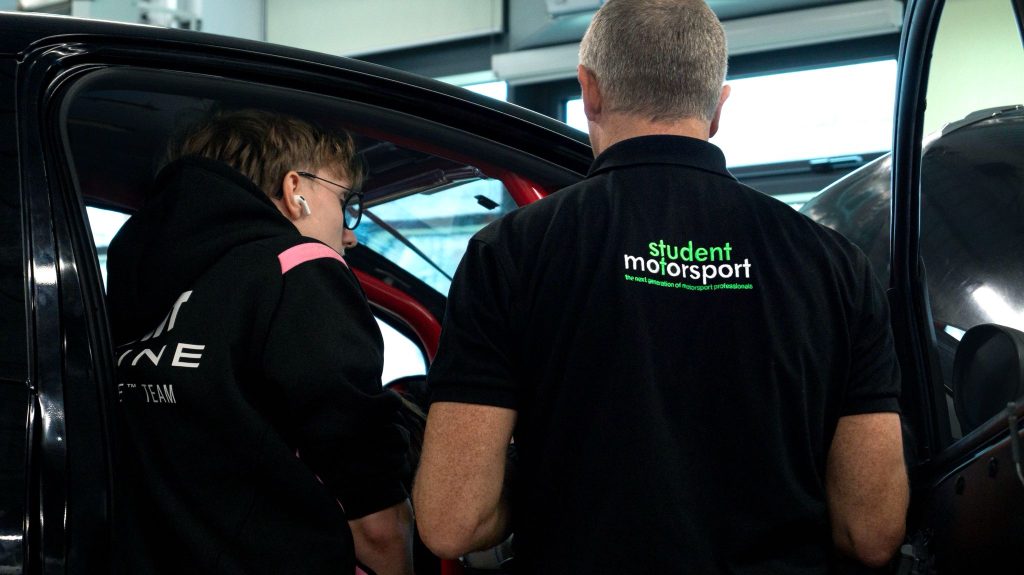
Those photographs give context to the action. They remind viewers that every on-track battle has a human story behind it.
Four photography lessons enthusiasts can use
You do not need a professional motorsport pass or an expensive race car to use the same ideas in your own photography. Whether you are attending a race meeting, photographing a car show or taking pictures of your pride and joy, the CityCar Cup offers some useful lessons.
1. Shoot the story, not just the car
A clean three-quarter view is useful, but it is only one part of the story. Look for what happens around the car. Photograph the preparation, the people, the details and the setting. At a car meet, that might mean capturing someone polishing a wheel, discussing an engine bay or greeting another owner. At home, it could be the process of washing the car, changing a wheel or preparing it for a road trip.
A car photograph becomes more meaningful when it shows why the car matters.
2. Get low and close
One of the easiest ways to make a small car look more purposeful is to lower your viewpoint. Kneel down or bring the camera close to wheel height. This changes the proportions of the car and gives it more presence. It also helps remove distracting backgrounds and makes the vehicle feel connected to the surface beneath it. At a circuit, a low angle can include kerbs, grass or the racing line in the foreground. At a private shoot, it can make an ordinary driveway or quiet country lane feel much more cinematic.
Just be aware of your surroundings and never step into an unsafe area to get a photograph.
3. Use the light
Overcast weather is not a problem. In fact, soft cloud can produce gentle reflections and even colour across a car’s bodywork. In bright sunshine, look for shade, backlight or the softer light early and late in the day. Use trees, buildings and paddock structures to create contrast. A strong side light can highlight body lines, wheels and decals. The same principle applies at a car show. Instead of accepting the light exactly as it falls, walk around the car and see how the reflections change.
4. Do not underestimate ordinary cars
A Toyota Aygo, Peugeot 107 or Citroën C1 may not attract the same attention as a supercar. That does not mean it cannot make a powerful photograph. The CityCar Cup proves that presentation, purpose and context can transform familiar machinery. Once a car is covered in decals, fitted with race wheels and placed on a circuit, its character changes. The same is true of a standard road car. Its story might be the memories attached to it, the work that has gone into maintaining it or the reason its owner chose that particular model.
Great automotive photography is not always about rarity. It is about seeing the subject properly.
Why grassroots racing matters to us
For Liz and Izzy, photographing a series like the CityCar Cup feels personal. The atmosphere is welcoming, the racing is close and the people are invested in what they are doing. There is a sense that everyone has a role. Drivers, mechanics, students, families, officials, volunteers and photographers all contribute to the weekend. That community spirit is also what makes grassroots motorsport worth supporting. The next driver, engineer or team manager may be finding their confidence in a small hatchback at Brands Hatch. The person learning to set up a race car today may be working in a professional team tomorrow.
The photographs become part of that journey. They are not just images of cars passing a camera. They are records of first seasons, hard-fought battles, new friendships and long days in the paddock. That is why we will always make time for the smaller championships.
Tell your car’s story
Whether you follow the CityCar Cup, attend local car meets or have a favourite car sitting in your garage, the same approach applies: look beyond the badge and capture the story.
At iJAG Photography, we offer private car photoshoots, car show photography and automotive event photography for owners, clubs, teams and organisers. We can create a focused set of images for one special car or cover the atmosphere and people across an entire event.
If you have a car with a story to tell, we would love to hear about it. Get in touch with iJAG Photography to discuss a relaxed private car photoshoot or event coverage tailored to your needs.
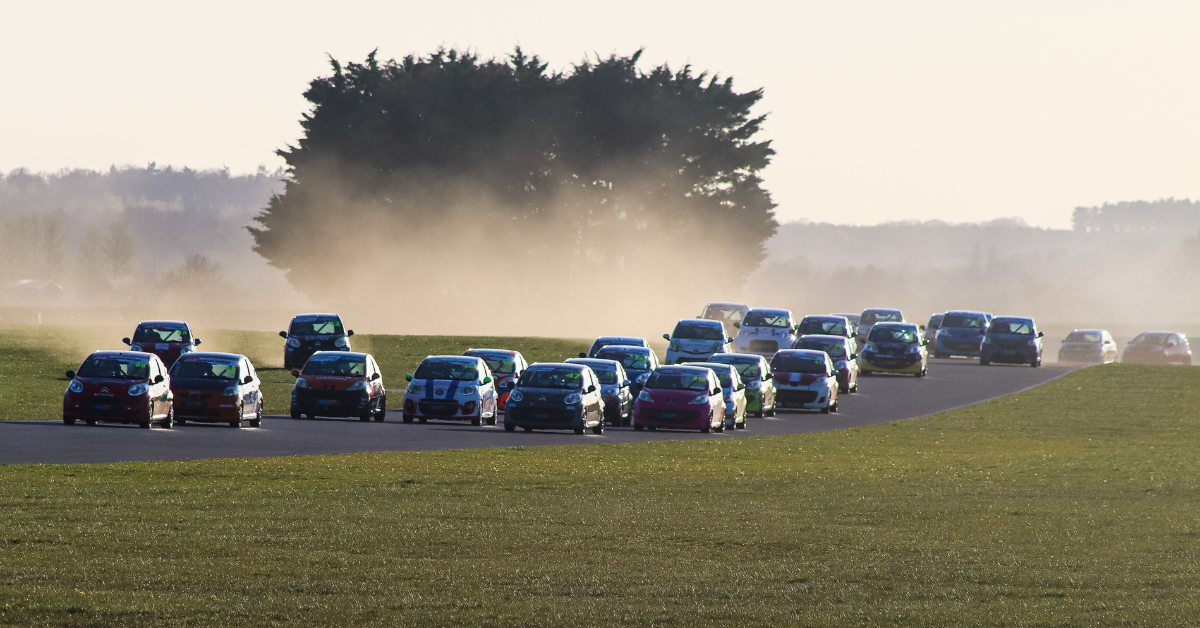
Motorsport is one of the most thrilling things to photograph. From the scream of engines trackside to the blur of Read more
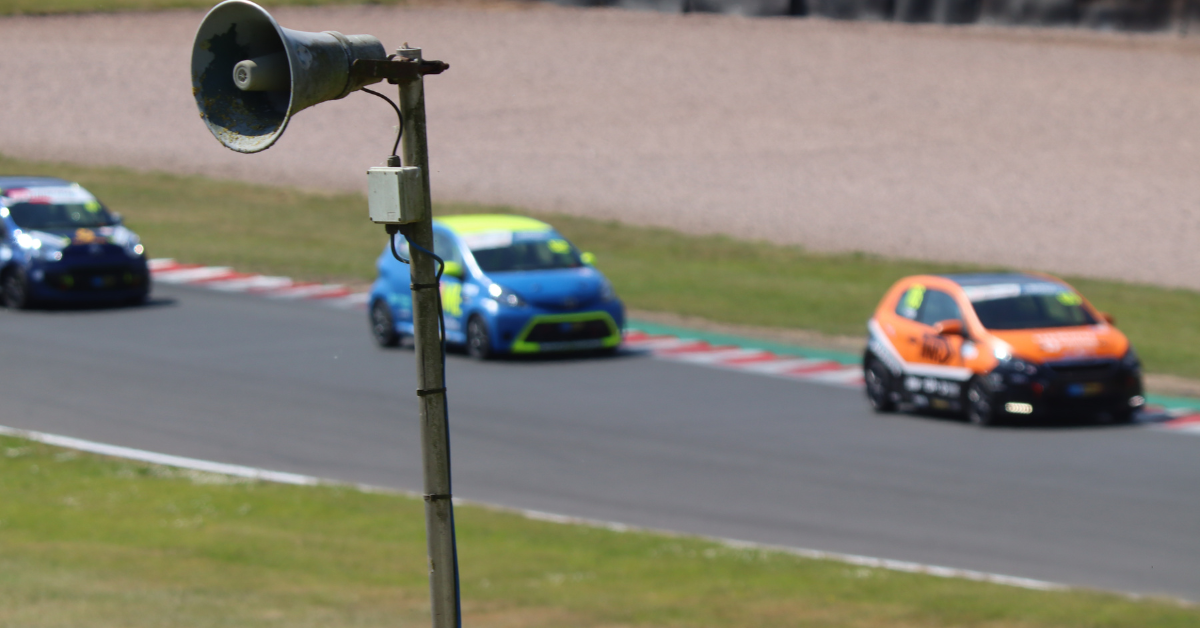
Excuse me, people, pigeons, trees, and that one floodlight pole. Honestly, it’s a miracle I get any usable photos at Read more
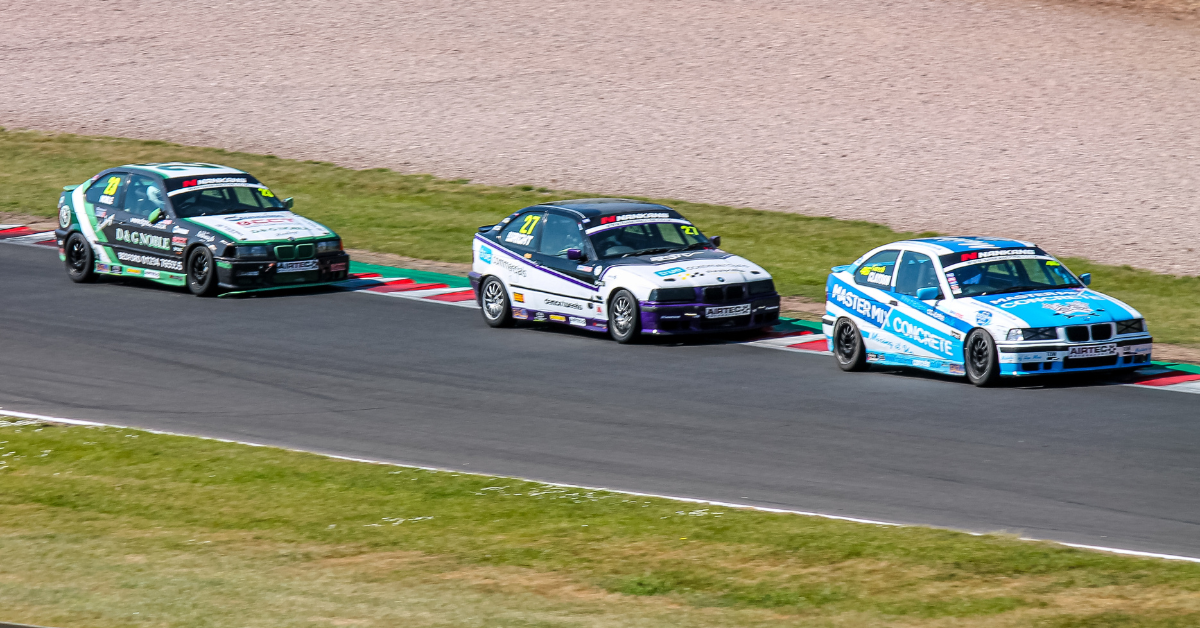
When you see a stunning motorsport photograph, especially one that perfectly captures the drama, the emotion, and the heart-pounding action, Read more
If you’ve ever stood at the edge of a racetrack, with the rumble of engines in your chest, the smell Read more